1. Paul Is Set Apart by the Holy Spirit
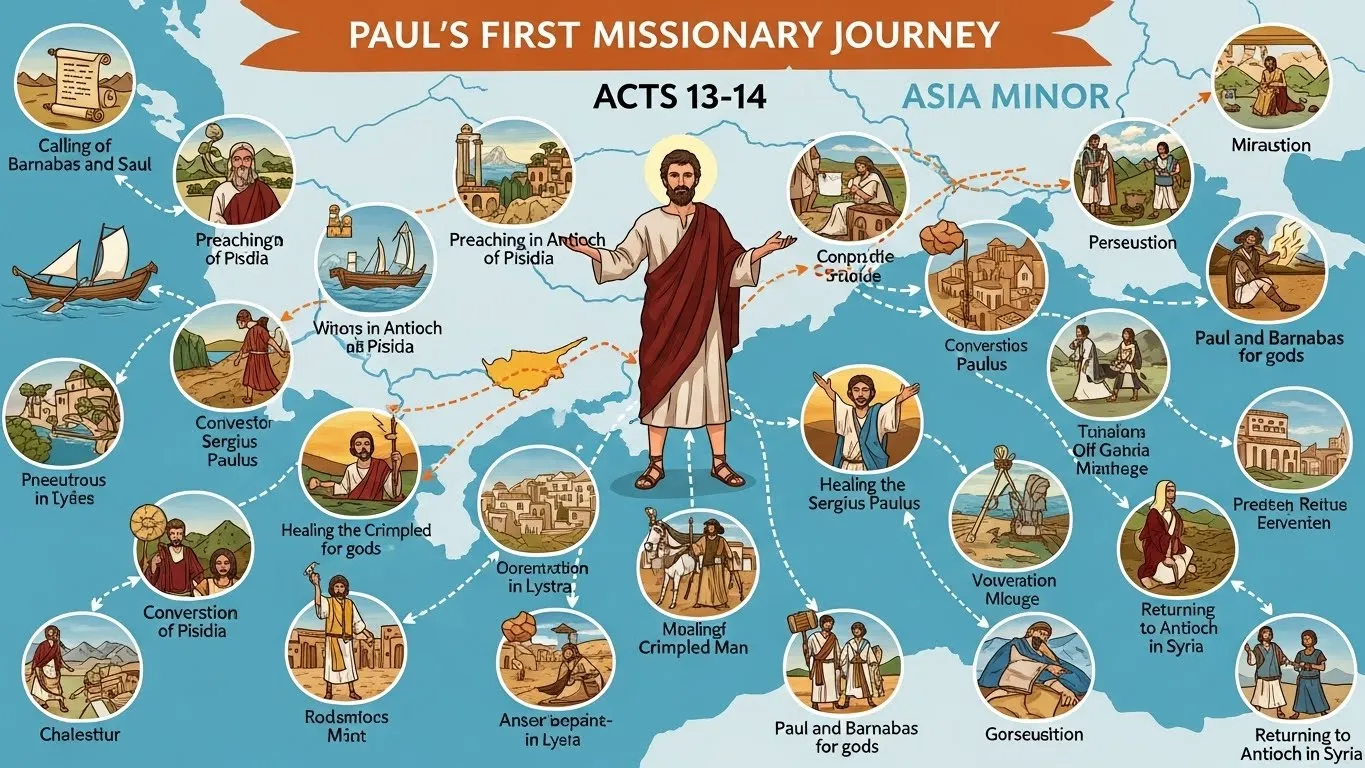
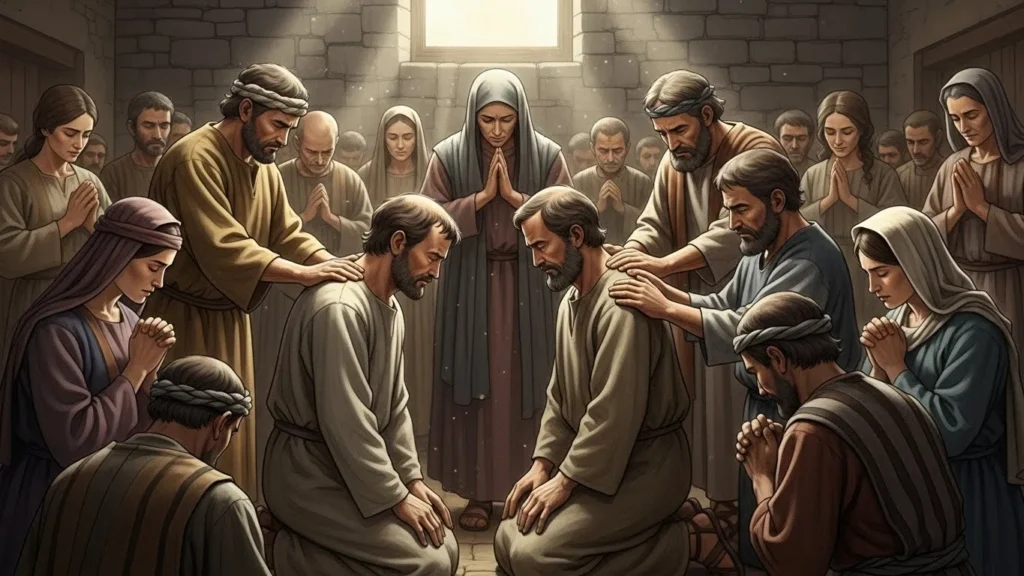
Paul and Barnabas were set apart by the Holy Spirit while the church in Antioch was praying and fasting. This moment shows that Paul’s missionary journey began with God’s direction, not human planning. The church laid hands on them, confirming God’s calling and authority over their mission.
This event reminds believers that true ministry flows from prayer, obedience, and divine guidance. God initiates His work through willing hearts and faithful communities.
2. Paul and Barnabas Depart from Antioch
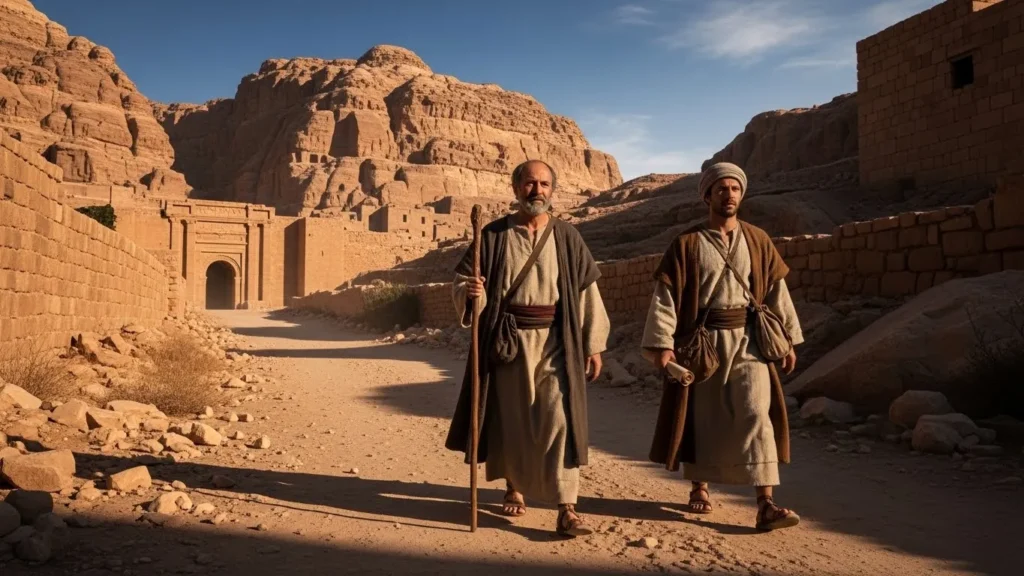
Leaving Antioch marked the official beginning of Paul’s first missionary journey. This step required faith, courage, and trust in God’s promises. Antioch became a sending church, demonstrating the power of collective faith and obedience.
This event highlights the importance of stepping out when God calls. Faith often requires leaving comfort behind to follow God’s greater purpose.
3. Ministry Begins in Seleucia
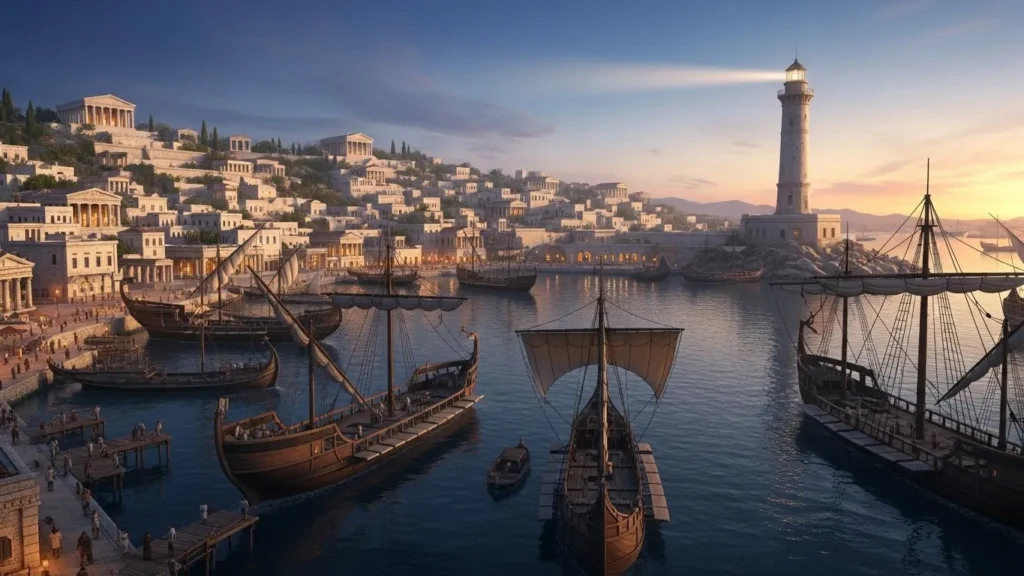
Paul and Barnabas traveled to Seleucia, the port city that connected Antioch to the Mediterranean Sea. This location served as a gateway to spreading the gospel beyond familiar territory.
This moment reflects strategic movement guided by God. The mission was not random—each step prepared the way for broader outreach and future ministry success.
4. Journey to Cyprus Begins
From Seleucia, Paul and Barnabas sailed to Cyprus. This island held personal significance for Barnabas, showing how God often uses familiar connections to expand His work.
This event reminds us that God can use our background and relationships to advance His kingdom. Familiar places can become powerful mission fields.

5. Preaching in Salamis
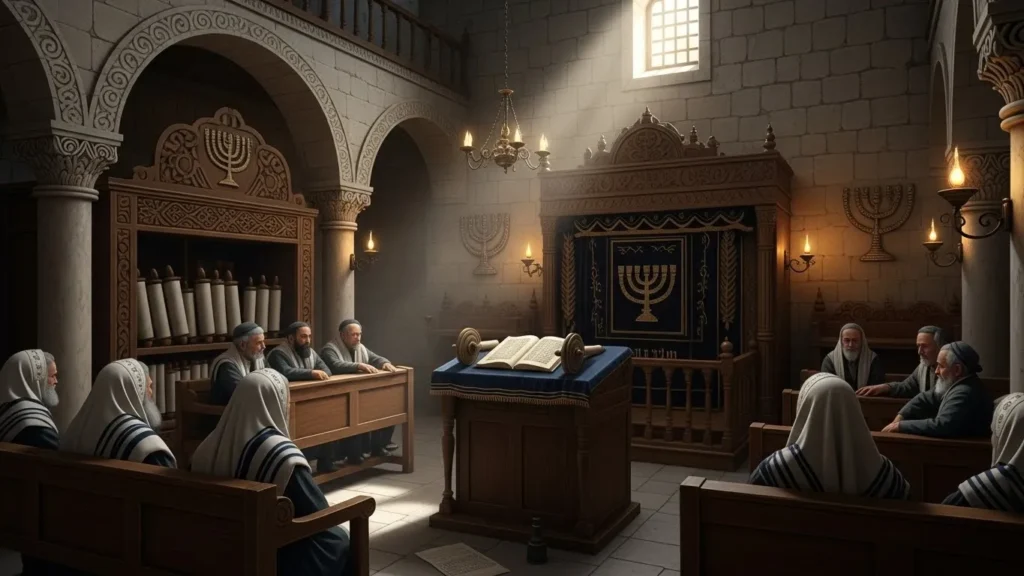
In Salamis, Paul and Barnabas preached in Jewish synagogues. This established a pattern of sharing the gospel first with Jewish communities.
This event demonstrates Paul’s faithfulness to Scripture and God’s covenant people. It reminds believers that ministry often begins where spiritual foundations already exist.
6. John Mark Joins the Mission
John Mark accompanied Paul and Barnabas as a helper. His presence shows the importance of mentorship and teamwork in ministry.
This event highlights that missionary work is rarely done alone. God often builds future leaders through shared experiences and service alongside mature believers.
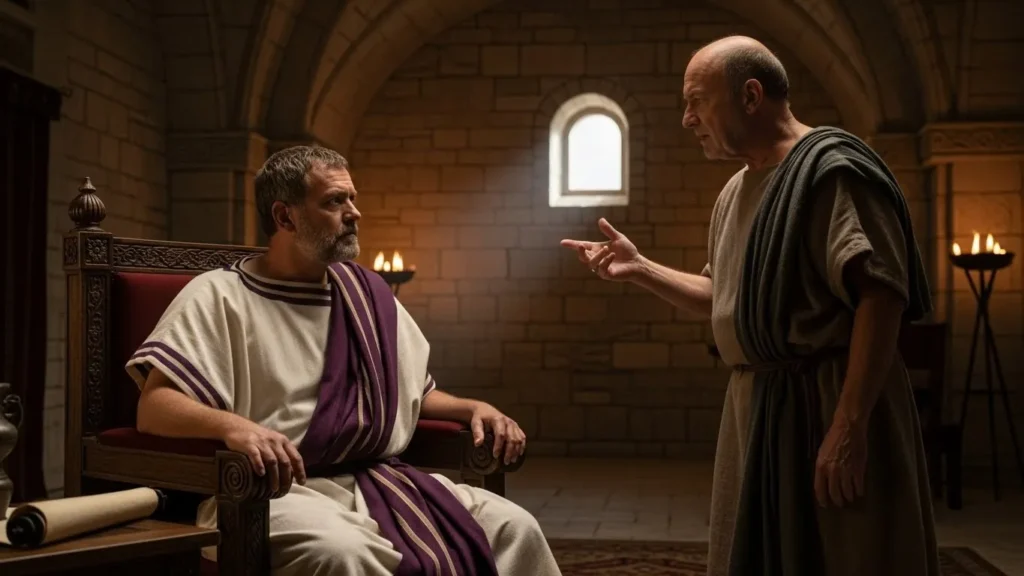
7. Confrontation with Elymas the Sorcerer
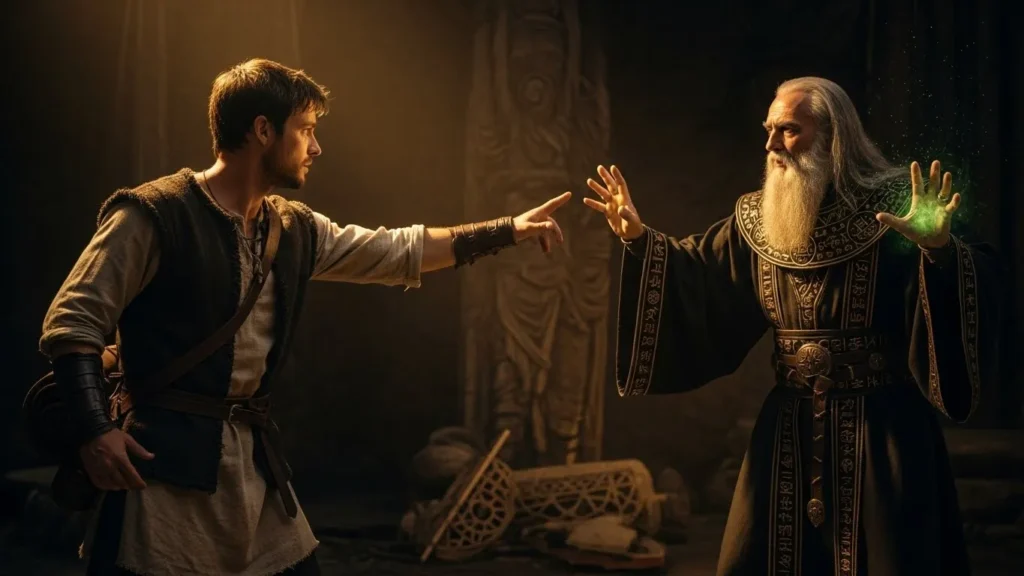
In Paphos, Paul confronted Elymas, a sorcerer opposing the gospel. Paul boldly spoke against deception, and Elymas was temporarily blinded.
This powerful moment reveals God’s authority over spiritual opposition. It reminds believers that truth prevails, and God defends His message against falsehood.
8. Conversion of Sergius Paulus
The Roman official Sergius Paulus believed after witnessing God’s power and hearing Paul’s teaching. This marked a significant victory for the gospel.
This event shows that God reaches people of influence as well as ordinary individuals. The gospel crosses social, political, and cultural boundaries.
9. Paul Takes Leadership Role
From this point onward, Paul becomes the primary leader and speaker of the mission. This shift reflects God’s calling and anointing on Paul’s life.
This moment teaches that leadership often emerges naturally through faithfulness, wisdom, and bold obedience to God’s direction.
10. Arrival in Perga
Upon reaching Perga, John Mark left the mission. This departure created future tension but also taught important lessons about perseverance.
This event reminds believers that not everyone remains through every season of ministry. God still accomplishes His purposes despite setbacks.

11. Paul Preaches in Pisidian Antioch
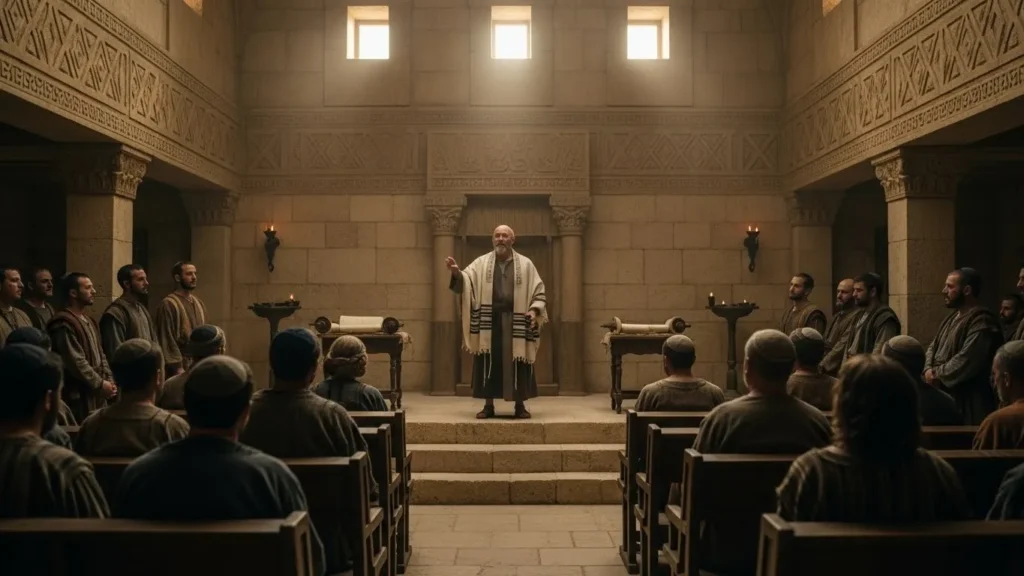
Paul delivered a powerful sermon in the synagogue, explaining salvation through Jesus Christ. Many listened with interest and curiosity.
This sermon emphasized grace over law and invited people to faith. It remains one of the most detailed messages recorded from Paul’s early ministry.
12. Mixed Reactions to the Gospel
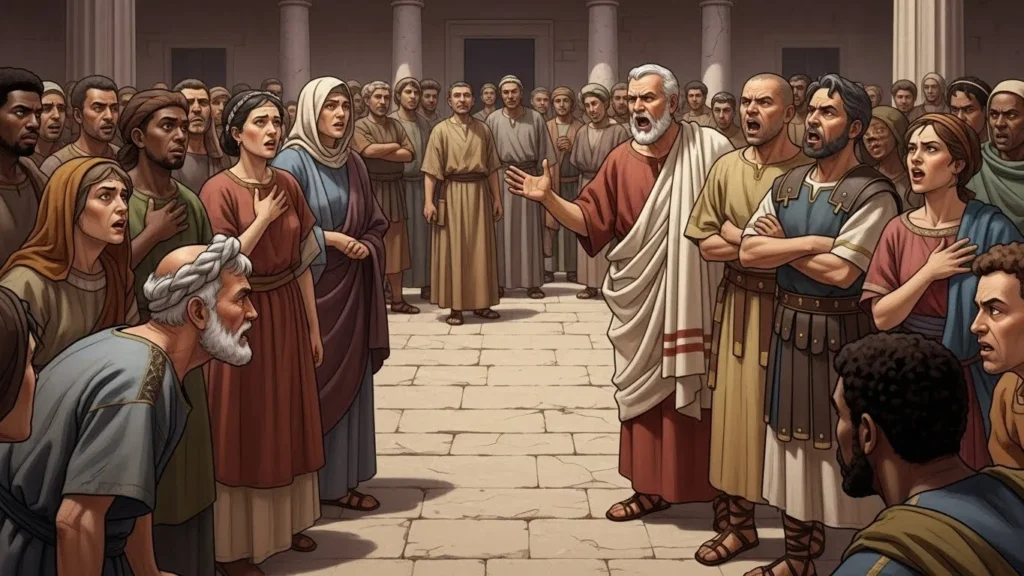
Some welcomed Paul’s message, while others rejected it. This mixed response became a recurring pattern in Paul’s ministry.
This event teaches that sharing truth does not guarantee acceptance. Faithfulness matters more than approval when proclaiming God’s Word.
13. Turning to the Gentiles
After rejection by some Jews, Paul declared his mission to the Gentiles. This marked a major turning point in the spread of Christianity.
This moment reveals God’s inclusive plan of salvation. The gospel was meant for all nations, not limited to one group.

14. Joy Among New Believers
Gentile believers received the message with joy and praise. Their response confirmed God’s work among the nations.
This event highlights how the gospel brings joy, hope, and transformation. God’s Word continues to change hearts wherever it is received.

15. Opposition Forces Paul to Leave
Religious leaders stirred persecution, forcing Paul and Barnabas to leave Pisidian Antioch.
This reminds believers that opposition often follows obedience. God’s work may face resistance, but His mission always moves forward.
16. Ministry in Iconium
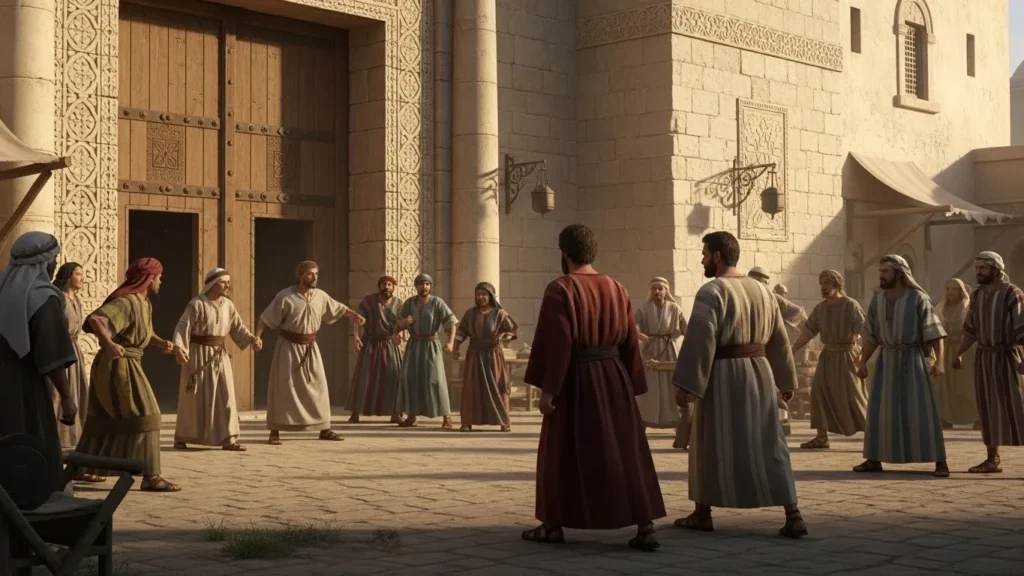
In Iconium, Paul and Barnabas boldly preached again. Many believed, but opposition grew stronger.
This event demonstrates courage and persistence. Even when danger increased, they continued trusting God’s protection and purpose.
17. Healing of a Lame Man in Lystra
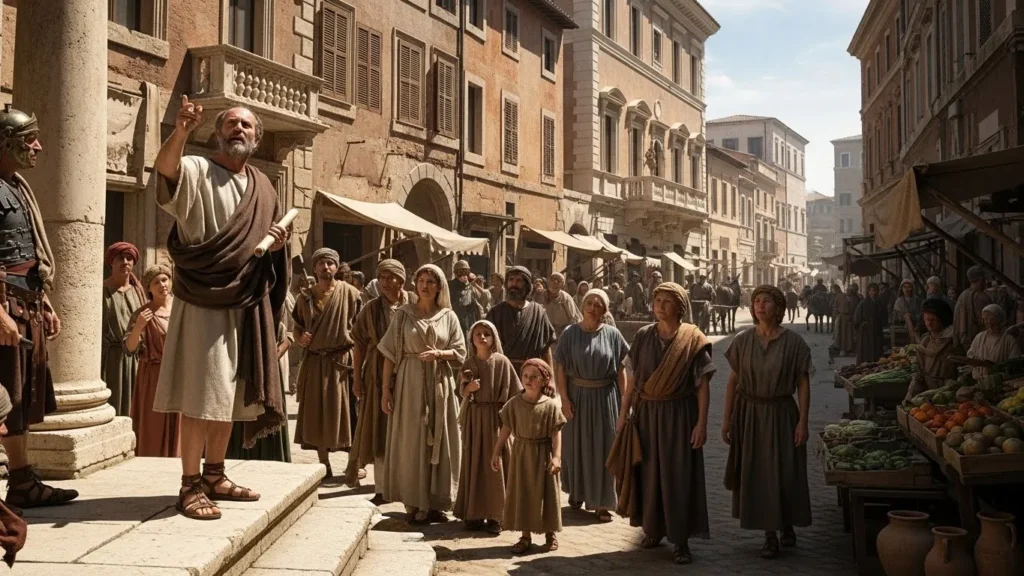
Paul healed a man who had never walked, causing amazement among the people.
This miracle confirmed God’s power and opened hearts to the gospel, though misunderstandings soon followed.
18. Paul Is Stoned and Continues
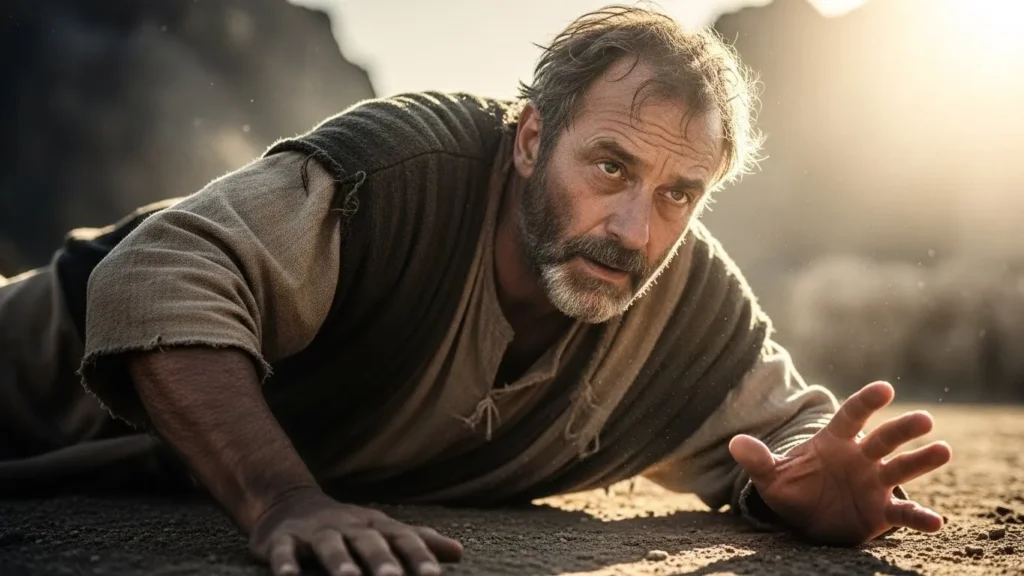
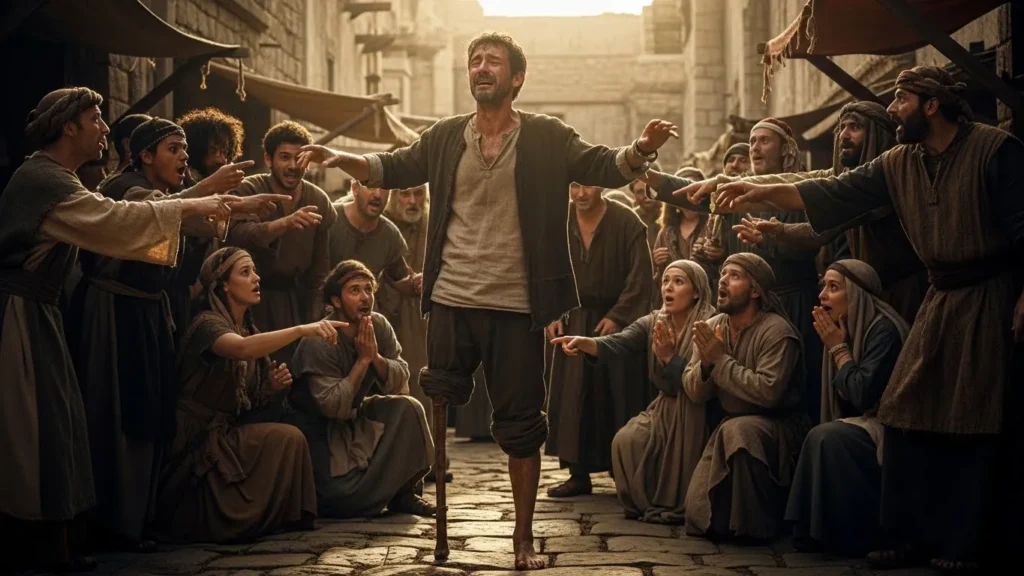
Paul was stoned and left for dead, yet he rose and continued preaching. His endurance shows extraordinary faith and commitment.
This final event reveals the cost of discipleship. Paul’s perseverance inspires believers to remain faithful despite suffering.