1. Role in Ministry
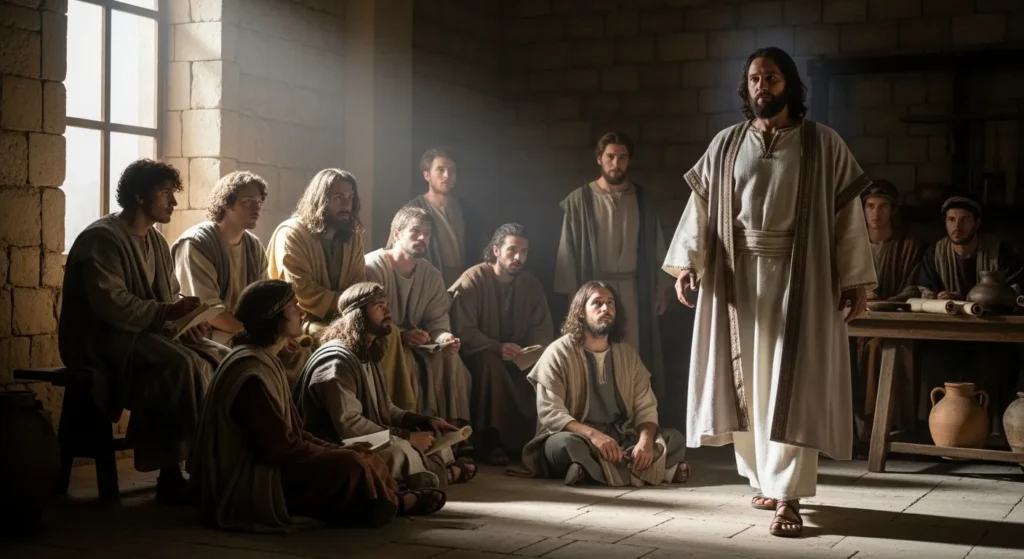
A disciple is a learner who follows the teachings of Jesus, seeking guidance and spiritual growth. They focus on personal transformation and understanding faith at a deeper level. Discipleship emphasizes listening, observing, and practicing.
An apostle, however, is someone sent out with authority to spread the message. While disciples follow, apostles are appointed to lead, establish, and teach. Their role expands beyond learning—they become carriers of the mission.

2. Meaning of the Words
The word “disciple” comes from the Latin discipulus, meaning student or learner. It describes someone committed to following a teacher’s example. Discipleship highlights receiving instruction and applying it through daily living.
“Apostle” arises from the Greek apostolos, meaning one who is sent out. Apostles are messengers with a specific assignment. While a disciple learns, an apostle acts on a divine calling, communicating what they have learned to others.

3. Training vs. Commission
Disciples spend time growing in faith, learning lessons, and observing their leader’s actions. Their season of training helps prepare them spiritually and mentally. They absorb teachings that shape their lifestyle and worldview.
Apostles, on the other hand, receive a commissioning moment. Instead of only learning, they are sent out to do the work. This mission involves teaching, guiding, and sometimes correcting. Commissioning marks their transition from student to messenger.

4. Number of Each Group
There were many disciples—men and women who followed Jesus. The Bible lists groups of seventy and even more. Their numbers reflect a community of learners drawn to His teachings, all seeking spiritual growth.
In contrast, the apostles were a specific group: the Twelve chosen by Jesus. Later, Paul was also recognized as an apostle. Their small number indicates a unique calling and responsibility, separating them from the larger group of disciples.

5. Level of Authority
Disciples have spiritual influence but not extraordinary authority. Their role is primarily personal growth, devotion, and supporting the mission. They embody faith through how they live and follow instructions.
Apostles hold greater authority. They guide churches, appoint leaders, and declare teachings. Their leadership carries weight because they are chosen to represent the message boldly. This authority is tied to their mission and calling.
6. Relationship to JesusParagraphs:
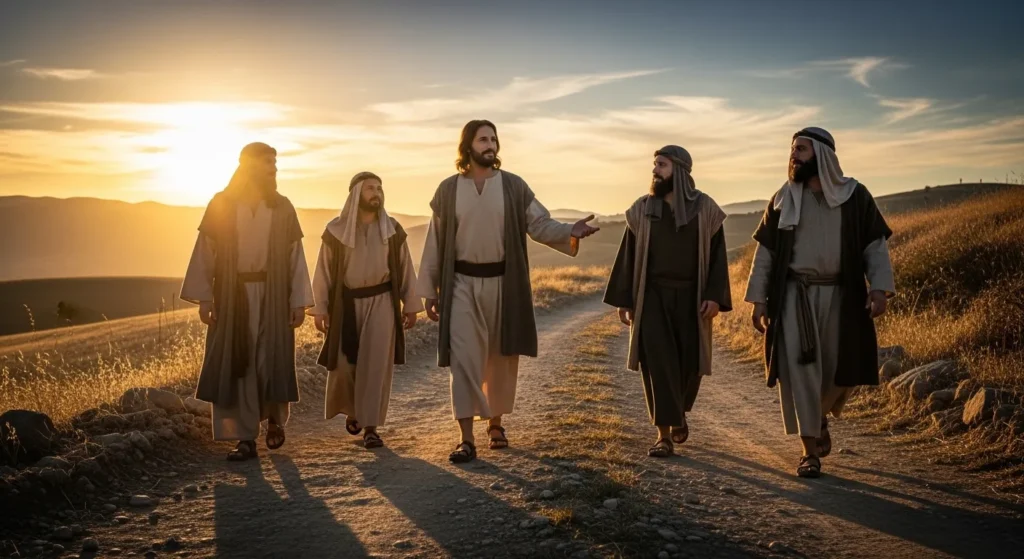
Disciples follow Jesus to learn His character and teachings. They walk with Him, observe His miracles, and listen to His wisdom. This relationship emphasizes closeness, trust, and transformation through daily example.
Apostles have a deeper appointed relationship. Jesus chooses them personally and sends them with purpose. Their bond carries responsibility, as they represent Him in spreading the message to new regions and communities.
7. Teaching vs. Being Taught
A disciple is mainly taught, receiving wisdom from Jesus. They embrace learning, correction, and the shaping of their inner life. Their strength lies in following and absorbing spiritual truth.
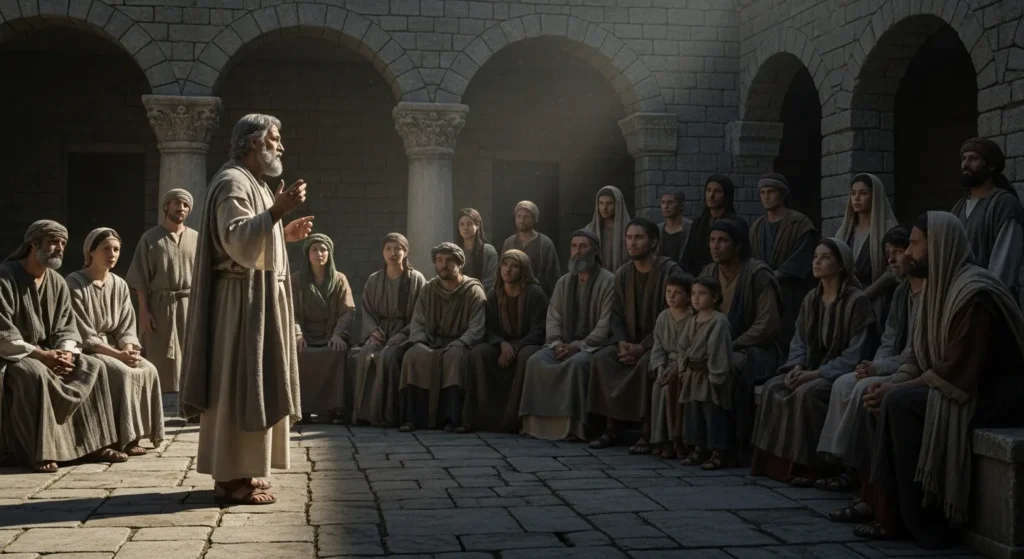
An apostle transitions into the role of teacher. They instruct churches, write letters, and warn believers about dangers. Teaching becomes central to their mission, showing that transformation leads to leadership.
8. Mobility of Mission
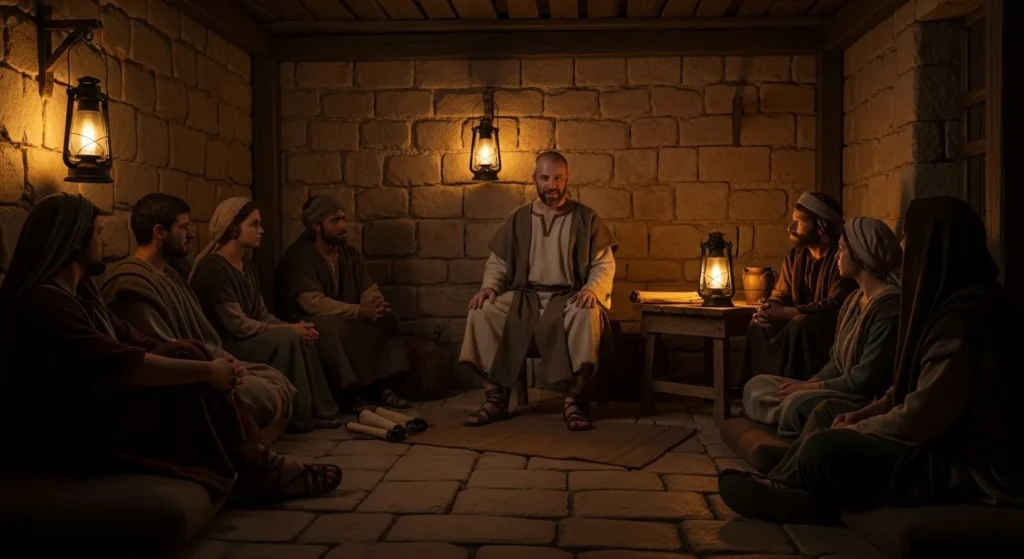
Disciples often stay near the teacher, learning closely and observing daily life. Their movement depends on where the teacher goes, as they prioritize staying nearby for instruction.
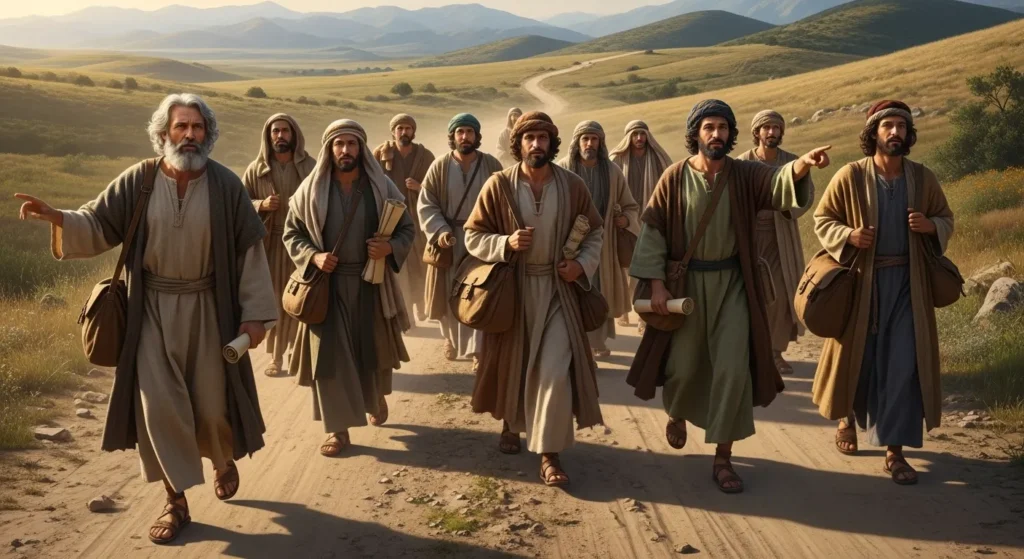
Apostles travel widely. They go into cities, villages, and nations to spread the message. Their mission demands mobility and courage, stepping into unfamiliar territory to share truth.
9. Level of Responsibility
Disciples carry the responsibility to grow personally and support the ministry through learning and serving. Their commitment is sincere but focuses on internal development.
Apostles shoulder the responsibility of guiding others. They oversee communities, handle conflicts, and ensure teachings stay true. Their leadership requires wisdom, patience, and strength.

10. Qualifications
A disciple does not need extraordinary qualifications—only the willingness to learn and follow. Anyone who desires to grow spiritually can become a disciple.
An apostle must meet higher standards. In the early church, apostles were eyewitnesses to Jesus and were chosen directly. Their roles required maturity, faith, and deep commitment.

11. Lifelong Growth vs. Assigned Mission
A disciple’s journey is lifelong. Their focus is steady growth, deepening understanding, and becoming more like Jesus over time. The process is continuous and personal.
An apostle operates under a clear mission. Though they grow spiritually, their identity centers on fulfilling their assignment—spreading the message and building the church.

12. Public vs. Personal Work
Disciples mostly work in personal settings, learning quietly, supporting the community, and practicing spiritual habits. Their influence grows through example.
Apostles serve publicly. Their work is visible as they preach, travel, establish groups, and make decisions. Public leadership defines their mission.

13. Obedience vs. Leadership
Disciples prioritize obedience. Their faith is shown through following instructions, applying teachings, and trusting guidance. They learn by doing what they are taught.
Apostles demonstrate leadership. They give instructions, shape doctrine, and model bold faith. Their calling requires leading others confidently.

14. Focus on Following vs. Sending
Disciples follow where Jesus leads. Their identity centers on staying near and growing under His guidance. They prioritize learning the way before teaching the way.
Apostles are sent forth. Their mission is outward-focused, taking what they learned and sharing it widely. They become builders, encouragers, and pioneers.
15. Witness vs. TestifierParagraphs:
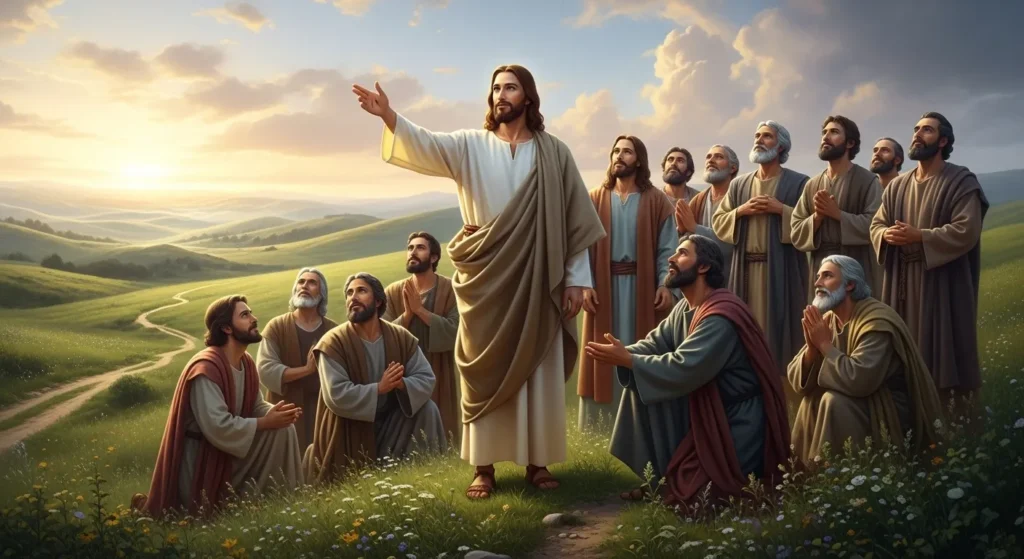
A disciple witnesses Jesus’s works and teachings firsthand. Their perspective comes from observation and close companionship.
An apostle testifies publicly, sharing these experiences with others. Their role is to communicate truth to new places and cultures, turning witness into mission.

16. Foundation of Faith vs. Expansion
Disciples form the foundation of faith communities. Their growth creates a strong base of believers who live out the teachings daily.
Apostles expand the faith outward. They bring the message to new regions, growing the community beyond its starting place. Their role is essential for reaching more people.
17. Learning Miracles vs. Performing Them
Disciples observe miracles and learn from their power. They watch Jesus heal, restore, and transform lives, using these moments to understand faith more deeply.
Apostles perform miracles through divine power. Their acts validate their mission and reveal the presence of God wherever they go, strengthening the communities they reach.

18. Support Role vs. Establishing Role
Disciples support existing ministry, serving where needed and helping strengthen local believers. Their presence encourages unity and devotion.
Apostles establish new ministries. They plant churches, create structures, and form leadership teams. Their efforts build long-term spiritual communities.
19. Transformation vs. Calling
Disciples focus on inner transformation—changing attitudes, habits, and hearts. This growth builds a strong spiritual life grounded in faith and trust.
Apostles operate by calling. Their assignment comes with direction, purpose, and responsibility. Their mission shapes their life path and legacy.

20. Every Apostle Is a Disciple
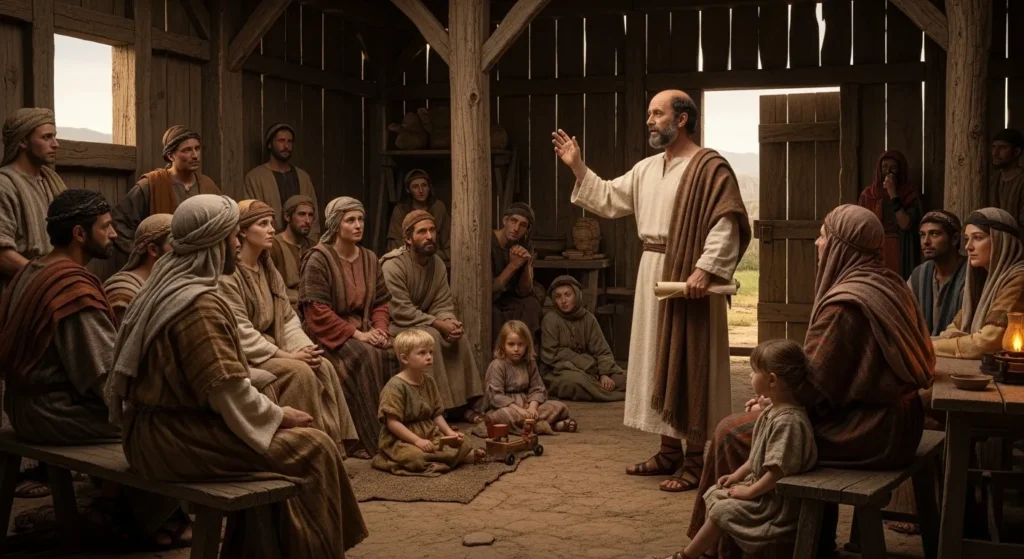
Every apostle begins as a disciple. Learning comes before leading, and following comes before being sent. This process ensures that apostles are grounded in truth.
However, not every disciple becomes an apostle. The calling to become an apostle is specific, intentional, and tied to mission. Understanding this difference helps us appreciate both roles.