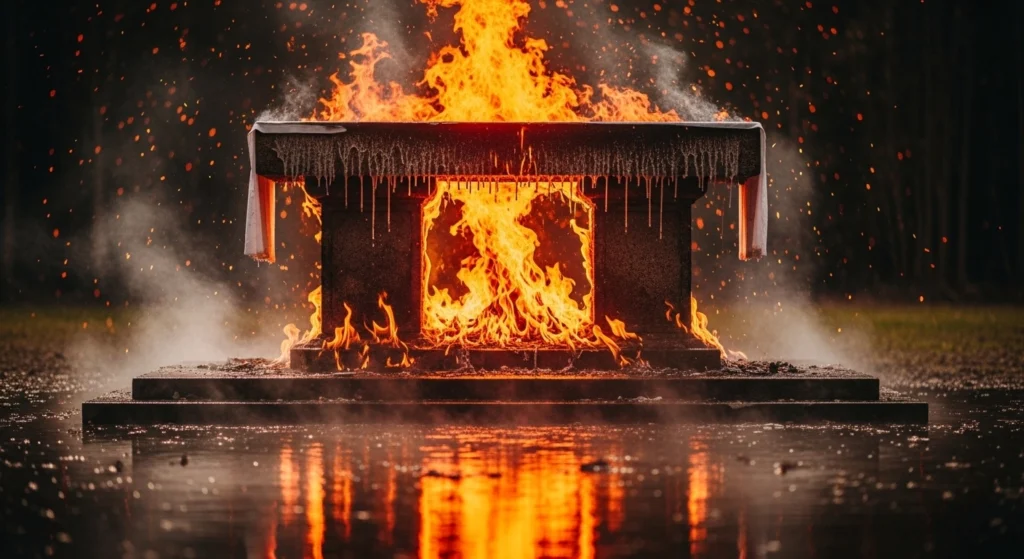
1. God Answers Bold Faith
At Mount Carmel, Elijah boldly called on God before a nation that had turned away. His confidence wasn’t based on pride but on God’s character and past faithfulness. This teaches us that bold prayers are not reckless—they are rooted in trust, humility, and obedience.
When we stand firm in faith, even in overwhelming situations, God honors our courage. Like Elijah, we can approach challenges knowing God hears and responds to those who trust Him deeply.
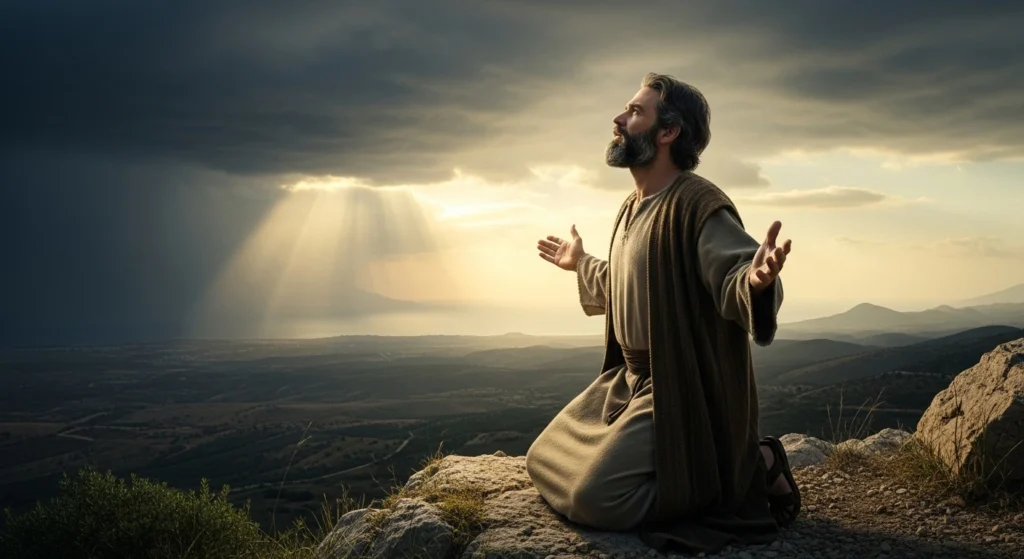
2. Stand Firm Against Cultural Pressure
Elijah faced the enormous pressure of standing alone against false prophets and an entire nation swayed by idolatry. Yet he didn’t compromise to fit in. His courage teaches us that truth often requires standing apart—even when the crowd chooses the easier path.
This story encourages us to resist cultural trends that lead us away from our core beliefs. When we stay anchored in truth, God strengthens us and uses our stance to bring clarity and change to others.

3. God Reveals Himself in His Timing
The fire didn’t fall immediately. It came only after Elijah rebuilt the altar and aligned everything with God’s instructions. This shows that God’s timing is purposeful, not delayed. He responds when the moment best displays His power.
Our impatience often leads us to question God, but Mount Carmel reminds us that divine timing is perfect. When we prepare our hearts and trust Him fully, He moves in ways that leave no doubt about His presence.
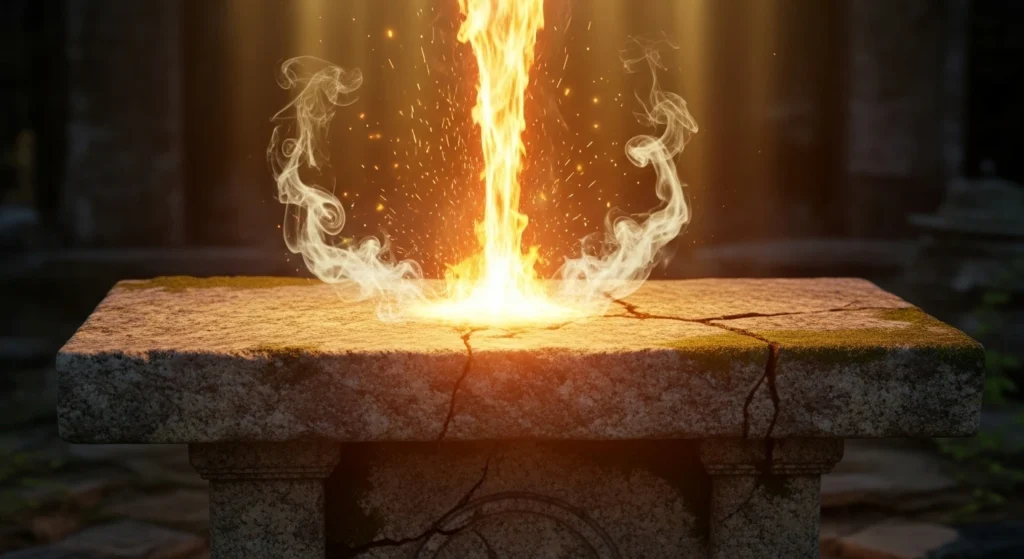
4. Restore What Has Been Broken
Before calling on God, Elijah rebuilt the broken altar. This symbolic act shows that restoration often comes before breakthroughs. God desires to heal what has been neglected, forgotten, or spiritually damaged.
In our own lives, healing begins when we acknowledge the broken places and invite God to rebuild them. Whether it’s relationships, faith, or purpose, God honors the willingness to repair what has fallen apart.
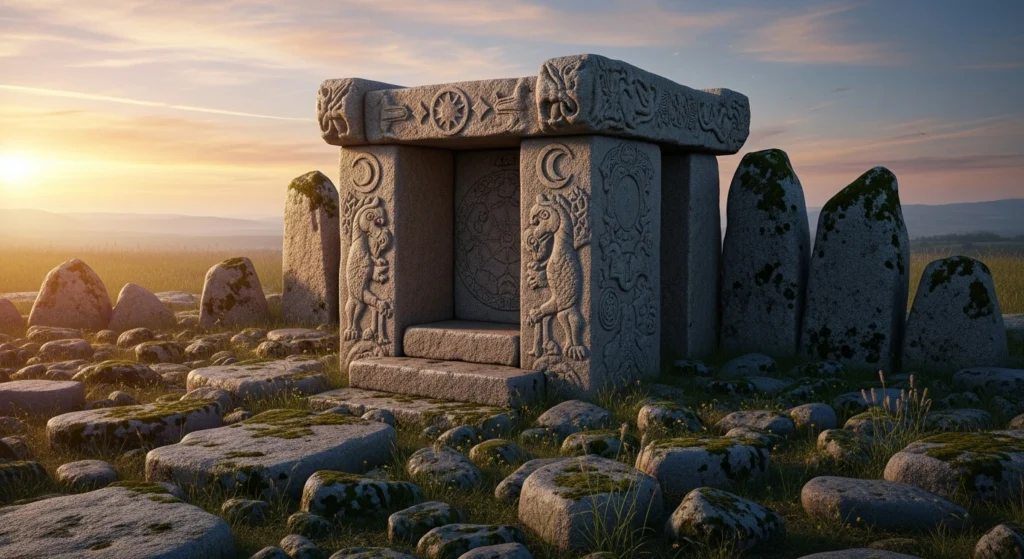
5. Prayer Is Powerful and Precise
Elijah’s prayer wasn’t lengthy—it was purposeful, direct, and full of faith. He prayed with expectation, knowing God could reveal His power instantly. This teaches us that effective prayer is not about many words but about a sincere heart.
When we pray with clarity and conviction, we align ourselves with God’s will. Our prayers become powerful when they reflect trust rather than ritual. Elijah’s example reminds us to pray boldly and intentionally.

6. God’s Fire Brings Transformation
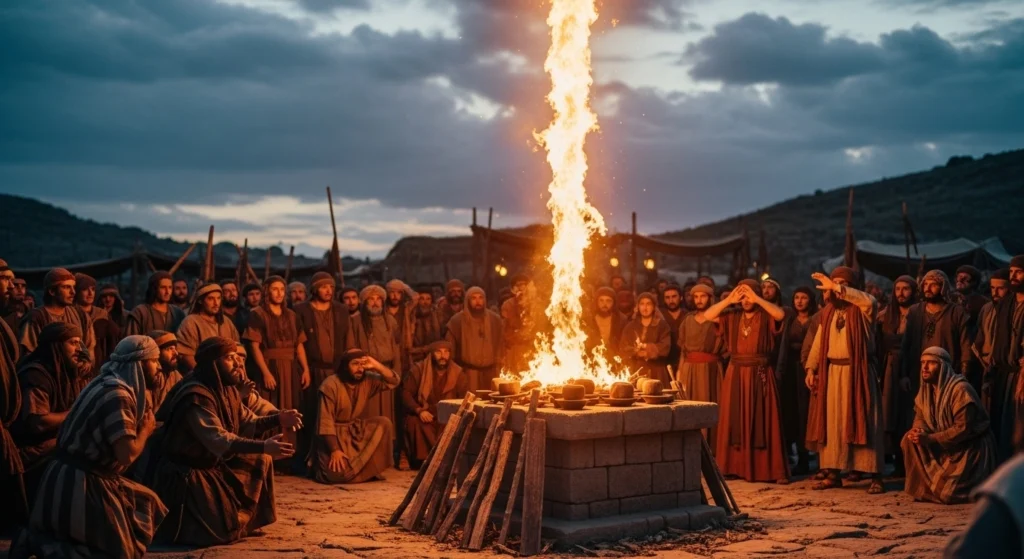
The fire that fell on Mount Carmel consumed everything—stone, wood, and water. This symbolizes God’s ability to transform every part of our lives. His power isn’t partial or selective; it renews completely.
When we invite God to move, His presence reshapes our thinking, habits, and spiritual foundations. His fire purifies what is unhealthy and strengthens what remains. Transformation comes when we allow God’s power to reach the deepest parts of who we are.

7. Truth Always Outshines Deception
The prophets of Baal shouted, danced, and cut themselves, yet nothing happened. Their efforts highlight how deception drains energy without producing real results. Truth, however, needs no spectacle—God validated it Himself.
This teaches us to avoid false sources of fulfillment that promise much but deliver little. God’s truth brings clarity, peace, and direction, while deception leads to exhaustion and emptiness. Mount Carmel proves that truth ultimately exposes what is false.

8. Faith Requires Action, Not Just Words
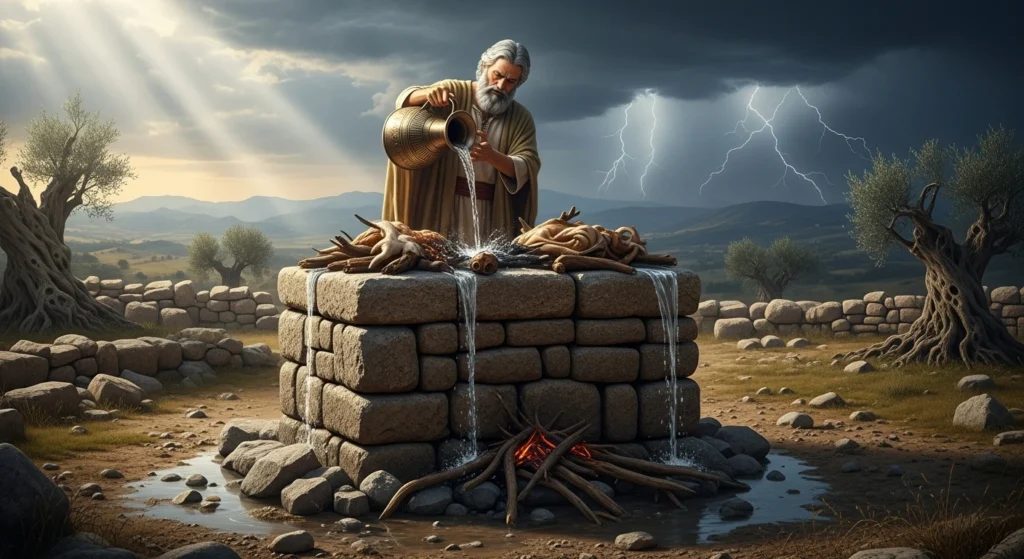
Elijah didn’t simply declare his faith; he acted on it. He rebuilt the altar, prepared the sacrifice, and instructed others to pour water on it. His actions demonstrated trust before God’s miracle appeared.
Likewise, faith requires steps that reflect our belief. When we move forward in obedience—despite uncertainty—we position ourselves for God to work. Faith grows stronger when it’s practiced, not just spoken.
9. God Uses Ordinary People for Extraordinary Moments
Elijah wasn’t a king or a military leader—he was a prophet from a small region. Yet God used him to challenge an entire nation and confront powerful rulers. His life proves that background does not limit God’s calling.
No matter our past or qualifications, God equips those He chooses. Ordinary people become instruments of extraordinary impact when they walk in obedience and courage. Mount Carmel affirms that God works through unlikely vessels.

10. Silence Can Be Spiritually Revealing
When the prophets of Baal cried out, there was silence—no voice, no response. This silence revealed the emptiness of their god. Sometimes silence exposes where we’ve placed our trust.
God uses moments of quiet to redirect our hearts, reminding us not to rely on powerless substitutes. Silence can become a powerful teacher, guiding us back to what truly matters.

11. God Calls Us Back to Covenant
Elijah reminded Israel of the covenant they had abandoned. His message urged them to return to the God who never stopped pursuing them. Even when they strayed, God sought restoration, not punishment.
This shows God’s heart for His people today. He invites us to return whenever we drift away, offering forgiveness, guidance, and renewed purpose. Mount Carmel is a reminder that God is committed to relationship, not just ritual.

12. Miracles Confirm God’s Authority
The fire from heaven wasn’t just dramatic—it confirmed God’s ultimate authority over creation and human affairs. Miracles serve to reveal His power, not entertain spectators.
In our lives, God’s extraordinary works remind us of His sovereignty. Whether through answered prayer or unexpected provision, His miracles point us back to His presence and purpose.

13. Crisis Moments Produce Clarity
Israel had lived in spiritual confusion, following both God and Baal. The showdown on Mount Carmel forced them to choose. Crisis moments often reveal what we truly believe.
God allows defining moments so we can see where our loyalty lies. These times help us identify misplaced trust and realign our hearts toward Him.
14. God’s Presence Invites Repentance
When the fire fell, the people immediately fell to their faces in repentance. The undeniable presence of God softened their hearts and opened their eyes.
In our own journey, true repentance emerges when we encounter God’s love and holiness. His presence leads us to transformation, not fear.

15. Discouragement Can Follow Victory
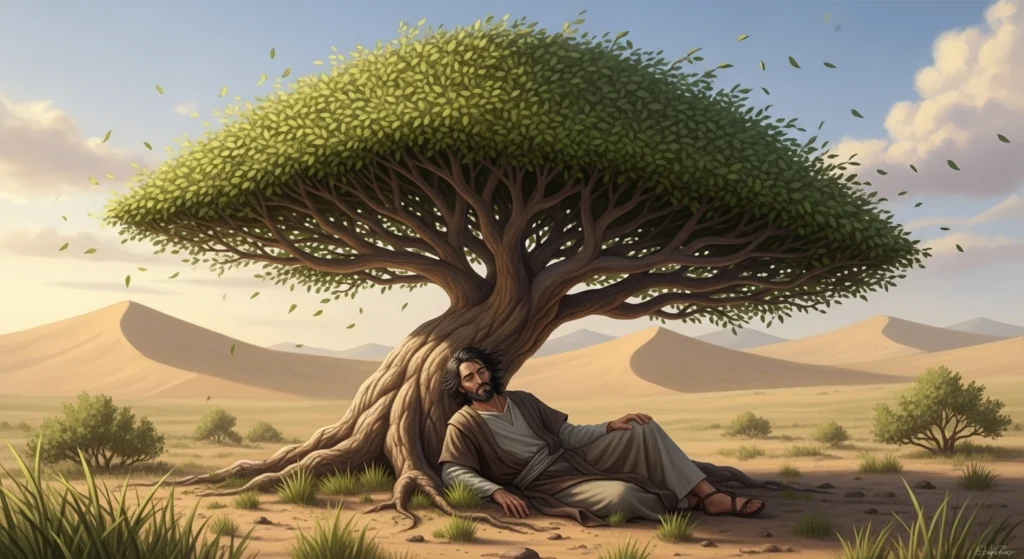
After Mount Carmel, Elijah became discouraged and fled. This shows that even after great victories, human weakness remains. Spiritual highs don’t eliminate emotional struggles.
Understanding this helps us extend grace to ourselves. God cared for Elijah, providing rest and encouragement—showing that He meets us gently after exhausting seasons.
16. Spiritual Battles Require Persistence
Elijah didn’t give up after one prayer; he persisted seven times as he looked for rain. Breakthrough often requires perseverance even when results aren’t visible.
God honors consistent faith. Persistence shapes our character and prepares us to handle the blessings we’re waiting for.
17. God Provides Strength for the Journey
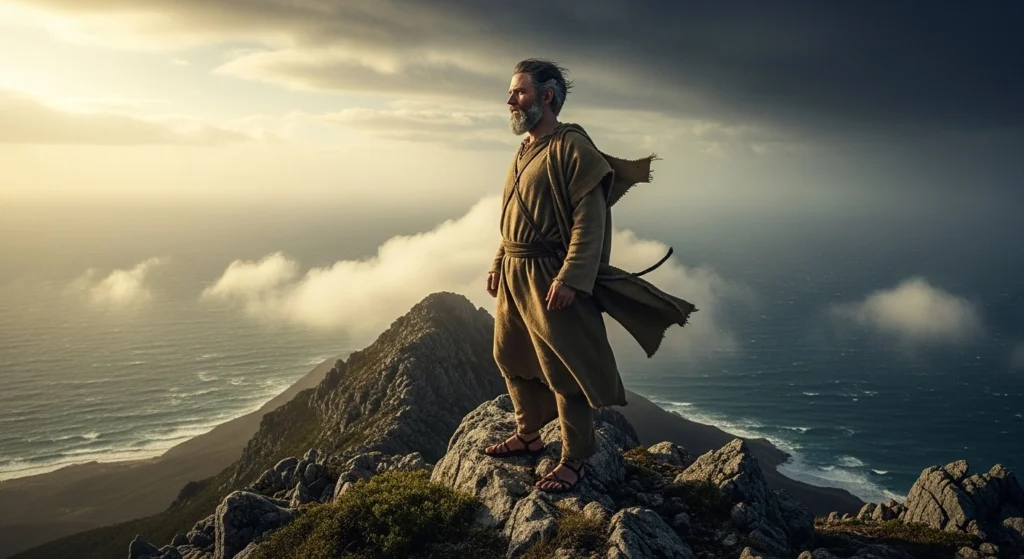
After the Mount Carmel confrontation, Elijah was physically and emotionally drained. God sent an angel to give him food and rest—provision for the long road ahead.
This reminds us that God cares about our minds and bodies, not just our spiritual state. He equips us for every step when we rely on Him.

18. God Is Not Limited by Human Conditions
The altar was drenched with water, making fire impossible—but God isn’t bound by physical limitations. He works beyond what seems logical or feasible.
This teaches us to stop limiting God to what we can understand. He specializes in impossible situations, turning obstacles into opportunities for His glory.