1. Eve – The First Mother Who Disobeyed
Eve’s choice to eat the forbidden fruit brought consequences for all humanity. Her curiosity and willingness to listen to deception instead of God led to pain, separation, and hardship. As the first mother, her mistake had a lasting impact on her children and future generations.
Her story reminds us that influence starts with obedience. Mothers shape the direction of their families through choices. Eve shows the importance of discernment and trusting God’s instructions, even when temptation seems appealing.

2. Sarah – Impatient and Controlling
Sarah struggled with waiting for God’s promise of a child. In impatience, she pushed Abraham to conceive a child through Hagar, leading to jealousy, conflict, and lifelong division in the family. Her decision stemmed from fear and doubt instead of faith.
Her story teaches that trying to force outcomes can create unnecessary pain. Trusting God’s timing brings peace, while impatience often damages relationships. Sarah’s journey shows the importance of believing God even when circumstances seem impossible.
3. Hagar – Running Away from Responsibility
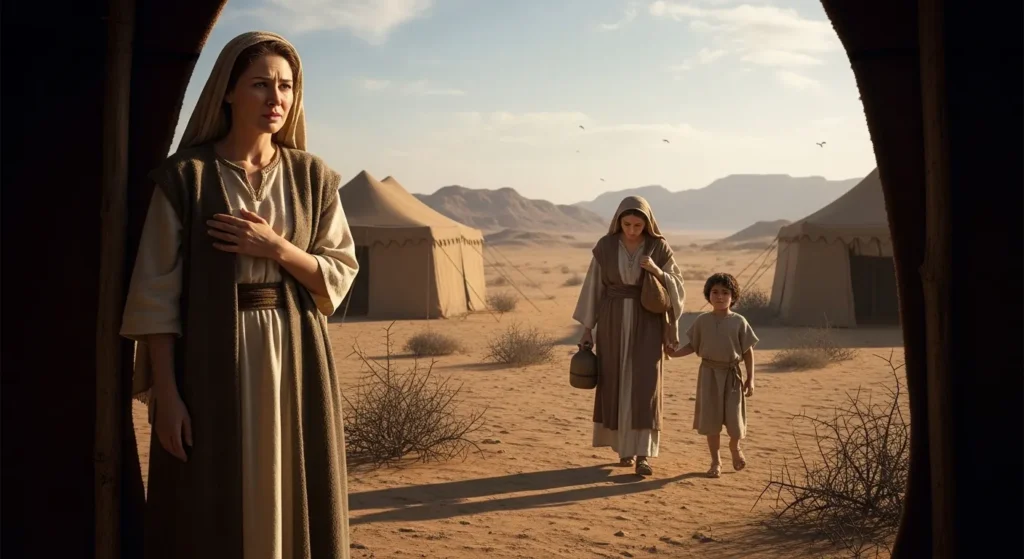
When conflict with Sarah arose, Hagar chose to run away instead of facing the situation. Leaving while pregnant put both her and her child at risk. Her emotional reaction nearly cost her son’s life in the wilderness.
Hagar’s story reveals the danger of escaping problems rather than confronting them. Responsibility and resilience are essential in motherhood. Yet God still saw her pain and provided, showing His care even when mistakes are made.

4. Rebekah – Favoritism and Manipulation
Rebekah favored Jacob over Esau and manipulated him into stealing the blessing. Her deception divided her family and forced Jacob to flee, breaking the relationship she valued most.
Favoritism destroys trust and unity in families. Rebekah’s story warns parents to treat children equally and avoid controlling outcomes. Love should never be used to manipulate.

5. Lot’s Wife – Attached to a Sinful Life
Lot’s wife ignored God’s warning and looked back at Sodom, showing her heart remained tied to a corrupt lifestyle. Her disobedience cost her life and left her daughters without a mother.
Her story highlights the dangers of holding onto unhealthy environments. As mothers, letting go of toxic surroundings protects the family. Obedience brings safety, while longing for the past can destroy the future.

6. Lot’s Daughters – Desperate and Immoral Decisions
After losing their home and mother, Lot’s daughters made a shocking decision—they manipulated their father to produce children. Their actions created nations rooted in conflict and immorality.
Their story teaches that fear-driven choices lead to destructive outcomes. Trauma requires healing, not harmful solutions. Seeking God’s guidance prevents generational damage.

7. Jochebed – Fear Over Trust
Though she wanted to protect Moses, Jochebed initially acted out of fear, hiding him instead of trusting God fully. Her fear nearly kept Moses from fulfilling his calling.
Her story reminds mothers to replace fear with faith. When she finally released Moses into God’s care, he became a great leader. Trusting God with children’s futures brings blessing.

8. Naomi – Bitterness and Despair
Grief made Naomi bitter, and she pushed away the blessings God brought through Ruth. Her negative attitude hindered her ability to see hope.
Naomi shows how bitterness can impact family relationships. Mothers influence emotional environments; choosing gratitude and hope brings healing.

9. Michal – Disrespect and Criticism
Michal criticized David for worshiping God publicly, shaming him instead of supporting him. Her harsh attitude created distance in their marriage and left her childless.
Her story teaches the importance of encouragement in family leadership. Criticism damages relationships, while respect builds unity.

10. Bathsheba – Silence in Wrong Situations
Bathsheba’s involvement with David began in a compromising situation. Her silence contributed to tragedy, including her husband’s death and her child’s loss.
Her story shows the importance of speaking up against wrongdoing. Mothers influence moral direction by standing for truth.

11. Jezebel – Wicked Influence
Jezebel encouraged idolatry, murder, and rebellion. Her manipulation and cruelty led her children into destruction, continuing a legacy of evil.
Her story warns of the impact of toxic values in families. A mother’s influence shapes generations—toward God or away from Him.

12. Athaliah – Killing Her Own Family
Athaliah murdered her grandchildren to seize power. Her desire for control destroyed her family and ended her legacy.
Her story reveals the danger of selfish ambition. Power should never come before love and protection.

13. Delilah – Betrayal for Gain
Delilah used emotional manipulation to betray Samson for money. Her actions led to his capture and suffering.
Her story shows how manipulation destroys trust. Relationships require loyalty and honesty.

14. Herodias – Vengeful Mother
Herodias encouraged her daughter to request John the Baptist’s execution. Her revenge-driven influence led to innocent bloodshed.
Her story teaches that bitterness and vengeance harm children when passed down.

15. The Mother Who Threatened Solomon’s Judgment
One woman was willing to let her baby be killed rather than give him to the rightful mother. Her jealousy nearly cost the child’s life.
Her story shows how selfishness damages children. Love protects, even when painful.

16. Samson’s Mother – Lack of Guidance
Though chosen by God, Samson’s mother failed to instill discipline and obedience. Samson grew impulsive and reckless.
Her story highlights the importance of teaching children boundaries and wisdom.

17. Eli’s Daughter-in-Law – Hopelessness
She gave up emotionally after tragedy, naming her son Ichabod, meaning “the glory has departed.” Her hopelessness shaped her child’s identity negatively.
Her story warns that despair can affect the next generation. Mothers must speak life and hope.
18. The Mothers Who Sacrificed Children to Idols
Some women in Israel offered their children to pagan gods. Their idolatry brought judgment and heartbreak.
Their story warns against placing anything above God—careers, relationships, or desires. Children deserve protection and love.